Introduction
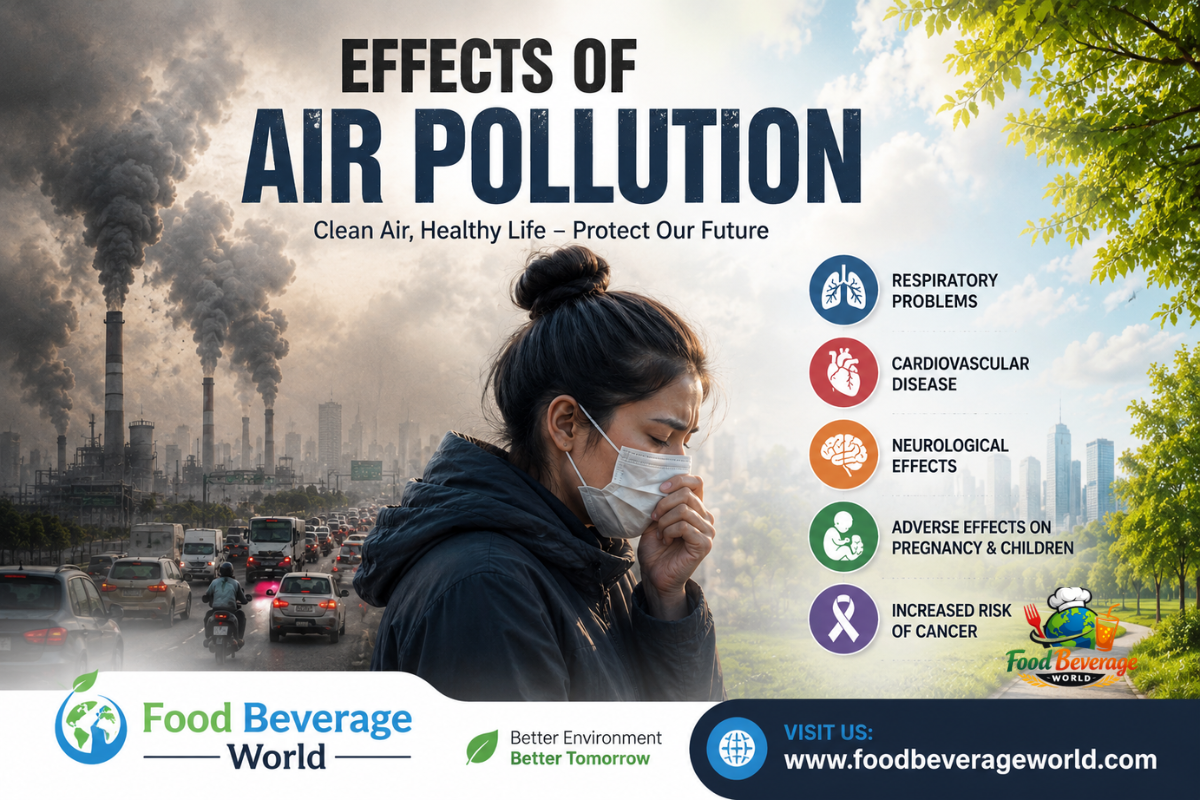
Effects of Air Pollution is one of the most serious environmental health challenges facing the world today. Harmful pollutants released from vehicles, industries, power plants, and household activities can significantly affect human health and the environment. Exposure to polluted air has been linked to a wide range of diseases, reduced quality of life, and increased healthcare costs. At Food Beverage World, we recognize the importance of environmental health and believe that raising awareness about air pollution is essential for creating healthier communities and a more sustainable future.
What Is Air Pollution?
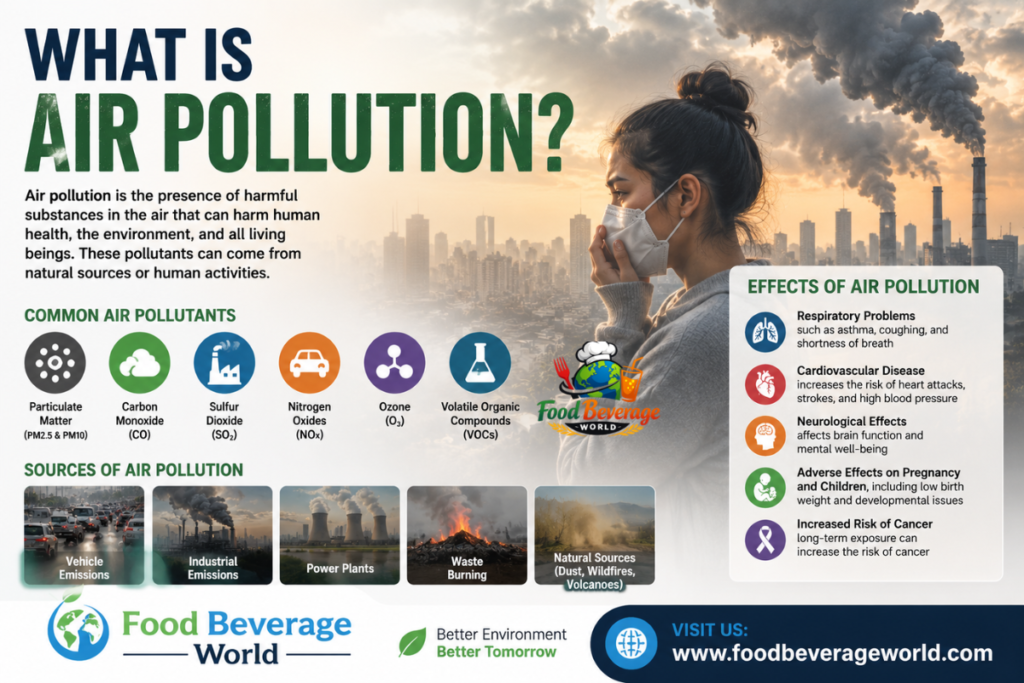
Air pollution refers to the presence of harmful substances in the atmosphere that can negatively impact human health, animals, plants, and the environment. Common air pollutants include particulate matter (PM2.5 and PM10), carbon monoxide, sulfur dioxide, nitrogen oxides, ozone, and volatile organic compounds (VOCs). These pollutants can originate from both natural sources and human activities.
What is NIEHS Doing?
The National Institute of Environmental Health Sciences (NIEHS) conducts research to better understand the relationship between environmental exposures and human health. Through scientific studies, public education, and community outreach programs, NIEHS helps identify the health risks associated with air pollution and supports efforts to improve air quality.
How does air pollution affect our health?
Air pollution can have both short-term and long-term effects on human health. Short-term exposure may cause eye irritation, coughing, throat discomfort, and breathing difficulties. Long-term exposure increases the risk of serious chronic diseases and can reduce life expectancy.
Cancer
Certain air pollutants contain carcinogenic substances that can increase the risk of cancer. Long-term exposure to polluted air, especially fine particulate matter and toxic chemicals, has been associated with a higher likelihood of developing lung cancer and other forms of cancer.
Cardiovascular Disease
Air pollution can damage blood vessels and contribute to heart-related conditions. Studies have shown that prolonged exposure to polluted air increases the risk of high blood pressure, heart attacks, strokes, and other cardiovascular diseases.
Respiratory Disease
Polluted air can worsen asthma, chronic obstructive pulmonary disease (COPD), bronchitis, and other respiratory illnesses. Children and older adults are especially at risk.
Whom does air pollution affect the most?
- Children
- Older adults
- Pregnant women
- Individuals with asthma or heart disease
- People living near industrial areas or high-traffic roads
NIEHS and community involvement
NIEHS collaborates with communities, researchers, healthcare professionals, and policymakers to address environmental health concerns. Community engagement programs help educate the public about reducing exposure to harmful pollutants and promoting cleaner environments.
Why improving air quality matters
Improving air quality provides numerous benefits, including:
- Reduced risk of disease
- Improved quality of life
- Lower healthcare expenses
- Enhanced productivity
- Protection of ecosystems and wildlife
- Support for sustainable development
Stories from the Environmental Factor (NIEHS Newsletter)
The NIEHS newsletter regularly publishes updates on environmental health research, scientific discoveries, and community initiatives related to air quality and public health.
Printable Fact Sheets
Printable fact sheets provide accessible information about air pollution, health risks, and preventive measures for individuals and communities.
Fact Sheets
Educational fact sheets help readers understand the sources, impacts, and solutions associated with air pollution.
Breast Cancer: Why the Environment Matters
Environmental factors, including exposure to certain pollutants, may contribute to breast cancer risk. Ongoing research continues to explore these connections.
Lung Health and Your Environment
Environmental exposures can significantly influence lung function and respiratory health. Maintaining clean air is essential for healthy lungs.
Microbiome
Emerging research suggests that environmental pollutants may influence the human microbiome, which plays a crucial role in overall health and disease prevention.
Related Health Topics
Related topics include climate change, environmental sustainability, occupational health, respiratory diseases, cardiovascular health, and cancer prevention.
Conclusion
Air pollution remains a major public health concern that affects millions of people worldwide. Its impact extends beyond respiratory problems to include cardiovascular diseases, cancer, and other serious health conditions. Reducing air pollution requires collective action from governments, industries, communities, and individuals. By supporting cleaner technologies, sustainable practices, and environmental awareness, we can create healthier living conditions for future generations. At Food Beverage World, we are committed to sharing informative content that promotes environmental responsibility and public health awareness, helping readers make informed decisions for a healthier future.
Great content! Keep up the good work!